
Make traditional Korean kimchi the way families prepare it during kimjang season. This authentic whole-cabbage kimchi uses a slow brine, rich homemade stock, and a classic seasoning paste packed with garlic, ginger, and gochugaru. It’s a hands-on, flavorful recipe that takes a few hours from start to finish, but the results ferment beautifully and keep for months. Perfect for anyone wanting the deep, bold taste of real Korean kimjang kimchi at home.
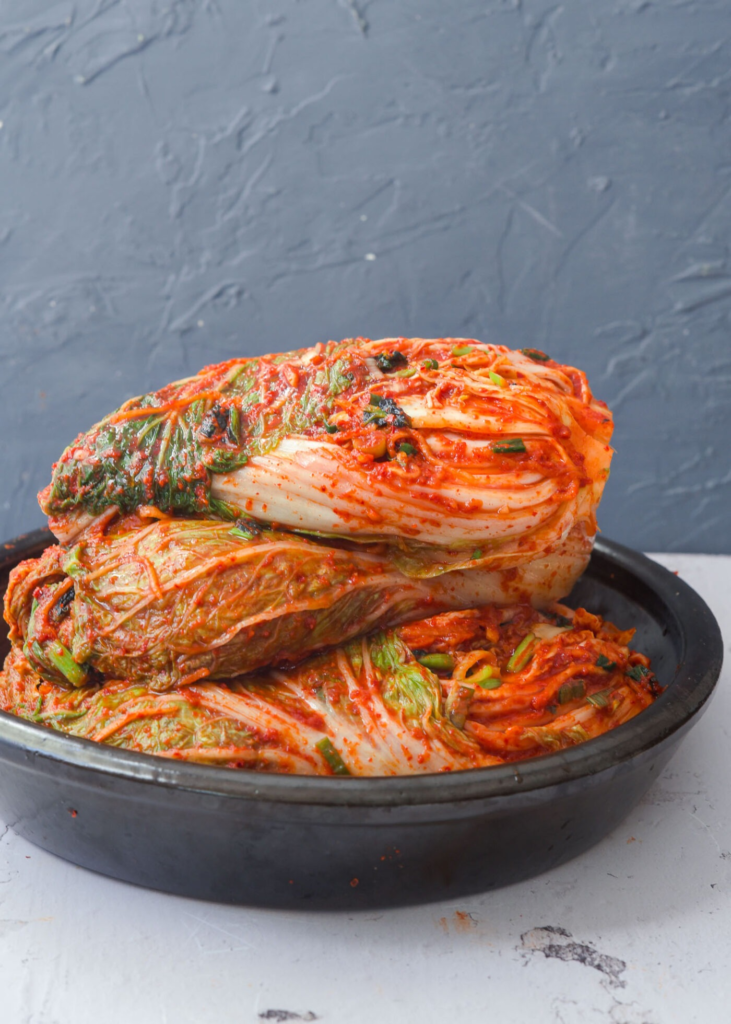
Traditional cabbage kimchi (baechu kimchi) is the epitome of all kimchi varieties in Korean cuisine, representing the heart and soul of authentic flavors. This iconic fermented food has been a staple on Korean tables for centuries, from humble homes to royal kitchens.
With over 200 types of kimchi—ranging from napa cabbage to crisp and refreshing radish—its versatility is unmatched. Among them, whole cabbage kimchi (tong-baechu kimchi or pogi kimchi) stands out as the most traditional and beloved variety.
While making with quick and easy kimchi recipe is convenient, it isn’t ideal for long-term storage and lack the deep, rich flavor that whole cabbage kimchi develops during fermentation. Mastering this traditional form of baechu kimchi allows you to connect with the authentic art of kimchi-making, particularly during kimjang (김장), Korea’s traditional kimchi-making season in late fall.
I’m thrilled to share this step-by-step guide to making traditional Korean kimchi at home. From salt brining to preparing the seasoning paste, assembling whole cabbage kimchi, and fermenting it for long-term storage, this tutorial has everything you need.
Learn how to make authentic homemade kimjang kimchi with bold, rich flavors that last for months!
Kimjang in Korean Homes
Kimjang (김장) is the long-standing Korean tradition of preparing enormous batches of kimchi to last through the winter, and it always felt like the unofficial start of the cold season in our home. When I was growing up in a big family household, my mother made kimjang every year—often with more than 100 heads of napa cabbage. Neighborhood ladies would gather in our courtyard, salting cabbages, mixing the seasoning paste, and chatting as they worked.
The next day, my mother would head to a neighbor’s house to help with their kimjang. It wasn’t simply about making kimchi; it was a shared winter ritual, a way of supporting each other when the weather turned cold.
In the past, kimjang kimchi was stored in giant earthenware jars (“onggi,” 옹기) buried underground to ferment slowly through the winter. Today, most families use kimchi refrigerators, but the heart of kimjang—the sense of community, generosity, and preparing food with care—remains the same.